There is a stretch of the Croatian Adriatic where every nautical mile delivers something worth remembering. South of Šibenik, the coastline fractures into a constellation of islands that reads like a roll call of Mediterranean superlatives — Šolta’s untouched olive groves, Hvar’s lavender-scented glamour, Korčula’s medieval fortifications rising from the sea like a miniature Dubrovnik, Brač’s famous horn of white pebble beach curving into impossibly turquoise water. This is the greatest-hits route of central Dalmatia, and it exists because the geography demands it: these islands sit in a near-perfect arc that a crewed motor yacht can trace in seven unhurried days without ever repeating a single anchorage or retracing a single wake line.
We have run this Šibenik Hvar Korčula route in various configurations since our earliest seasons operating from Šibenik, and the version presented here represents what we consider the definitive seven-day itinerary for a crewed motor yacht between 20 and 30 metres. It is a circular route — you depart from D-Marin Mandalina in Šibenik and return to the same berth seven days later — which eliminates the logistical headache of one-way charters and repositioning fees. The daily passages are moderate, mostly between 15 and 35 nautical miles, which means you spend your mornings cruising and your afternoons swimming, exploring, and settling into whichever harbourside restaurant has caught your eye. The route is graded beginner because the waters are largely sheltered, the marinas are well-equipped, and the distances are forgiving. But “beginner” does not mean boring. This is the route that converts first-time charterers into lifelong Adriatic addicts.
What makes this itinerary exceptional is not any single destination — it is the cumulative effect of seven days spent moving through landscapes that shift dramatically from one anchorage to the next. You begin in Šibenik’s Renaissance stone labyrinth, pause at Primošten’s photogenic peninsula, discover Šolta before the rest of the world catches on, lose yourself in Hvar’s contradictions of hedonism and history, round the eastern tip of Korčula island where Marco Polo may or may not have been born, watch the sun set behind Proizd’s sculptural rock formations, and return via Bol’s Zlatni Rat — one of the most photographed beaches on earth, and one that actually lives up to its reputation. By the time you motor back up the Šibenik channel on Day 7, you will have seen more of Dalmatia than most visitors manage in a lifetime of holidays. This guide tells you exactly how to do it, where to eat, where to anchor, and what to skip.
Route at a Glance
| Detail | Info |
|---|---|
| Start | Šibenik — D-Marin Mandalina |
| End | Šibenik — D-Marin Mandalina (circular) |
| Duration | 7 days / 6 nights |
| Total Distance | ~160 NM |
| Longest Passage | ~35 NM (Day 2: Primošten → Šolta; Day 7: Brač → Šibenik) |
| Shortest Day | ~15 NM (Day 5: Korčula exploration loop) |
| Best Months | May – September (peak: June & September for fewer crowds) |
| Difficulty | Beginner — sheltered coastal waters, well-equipped marinas, moderate distances |
| Highlights | Hvar Town & Pakleni Islands, Korčula Old Town, Blue Lagoon (Krknjasi), Zlatni Rat (Bol), Šolta’s Maslinica |
| Recommended Yacht | Motor yacht 20–30 m with swim platform and tender |

Day by Day
Day 1 — Šibenik: Embarkation & Old Town
| Passage | No sailing — embarkation day |
| Marina/Anchorage | D-Marin Mandalina, Šibenik (43.7350°N, 15.8952°E) |
| Highlight | St James’s Cathedral (UNESCO), old town exploration |
| Dinner | Pelegrini — fine dining beside the cathedral steps |
Your week begins at D-Marin Mandalina, a modern full-service marina tucked into the western shore of the Šibenik channel, roughly two kilometres from the old town centre. Embarkation typically happens between 16:00 and 18:00, which gives you a full afternoon and evening to explore Šibenik — a city that is chronically underestimated by visitors who treat it as a mere transit point to Krka National Park. That is their loss. Šibenik’s old town is one of the most atmospheric stone labyrinths on the entire Adriatic coast, built over a thousand years on a hillside that tumbles steeply towards the harbour. The streets are narrow, often stepped, and almost entirely free of the cruise-ship crowds that can overwhelm Split and Dubrovnik. You can walk the entire centre in ninety minutes, but you should take twice that long.
The centrepiece is the Cathedral of St James — Katedrala sv. Jakova — a UNESCO World Heritage Site and one of the most remarkable architectural achievements of the Renaissance anywhere in Europe. What makes it extraordinary is not just its beauty but its construction technique: the entire structure, including the barrel-vaulted roof, was built from interlocking stone slabs without any use of mortar or supporting framework. The exterior frieze features 71 portrait heads carved from life — merchants, sailors, local citizens — which gives the building a human specificity that no other cathedral of its era can match. Juraj Dalmatinac, the master builder, spent three decades on the project before his death in 1475, and his successor Nikola Firentinac completed the work with equal brilliance. Stand in the baptistry and look up: the stone ceiling is carved to imitate draped fabric, an illusion so convincing that first-time visitors often reach up instinctively to touch it.
From the cathedral, climb the stepped streets towards St Michael’s Fortress — Tvrđava sv. Mihovila — which crowns the hill above the old town. The fortress has been restored as a performance venue, and its ramparts offer the best panoramic view of the city, the channel, and the islands stretching south towards Primošten. On a clear evening, you can see all the way to the distant silhouette of Šolta, which is where you will be heading tomorrow. Back down at sea level, walk the Riva — the waterfront promenade — and watch the fishing boats and yachts move through the channel as the light turns golden.
If your crew has arrived early enough, consider a pre-dinner stroll through the medieval garden quarter behind the Church of St Barbara, where stone walls enclose small plots of rosemary, sage, and lavender that have been cultivated in the same way for centuries. The fragrance alone is worth the detour. For those interested in exploring Croatia’s hidden coves accessible only by boat, this route delivers some of the finest examples. Šibenik rewards those who slow down, and this first evening sets the tone for the entire week: there is no rush, there is no schedule beyond the one you choose, and the best discoveries happen when you are willing to turn down an unmarked alley or linger at a table for one more glass of local wine.

Dinner recommendation: Pelegrini is the obvious choice, and it is obvious for a reason — it is one of only a handful of Michelin-recognised restaurants in Dalmatia, set in a medieval stone building directly beside the cathedral steps. Chef Rudolf Štefan’s tasting menu celebrates hyper-local ingredients: Šibenik-channel fish, Dalmatian herbs, Skradin olive oil. The wine list is deep in Croatian labels, and the sommelier will steer you towards a Bibich Riserva from the nearby Skradin vineyards if you ask. For something less formal, Konoba Gorica in the upper old town serves superb peka — lamb or octopus slow-cooked under a bell-shaped lid — but you need to order it at least two hours in advance. A third option is Restaurant Tinel, which occupies a vaulted stone space near the waterfront and specialises in black risotto made with cuttlefish ink sourced from the Šibenik channel that morning.
Insider note: If you arrive before the official embarkation window, ask your charter company about early boarding. Many crewed yachts at Mandalina can accommodate a noon arrival, which gives you time for a leisurely lunch at the marina’s own restaurant — Lika Ribar — before heading into the old town. Also, D-Marin Mandalina has one of the best-stocked chandleries in Dalmatia, so if you have forgotten sunscreen, a hat, or a snorkelling mask, this is the place to buy it. The marina also offers provisioning services; your crew can arrange for groceries, wine, and fresh bread to be delivered directly to the yacht before you step aboard.
Day 2 — Primošten → Šolta (Maslinica): ~35 NM
| Passage | ~35 NM — Šibenik → Primošten (morning stop) → Maslinica, Šolta |
| Marina/Anchorage | Martinis Marchi Marina, Maslinica (43.3939°N, 16.1967°E) |
| Highlight | Primošten’s peninsula, Šolta’s olive groves and Dobričić wine |
| Dinner | Martinis Marchi — heritage hotel restaurant with local wine pairing |
Depart Šibenik after breakfast, motoring south down the channel and out past the islets that guard the harbour entrance. The first leg takes you roughly 12 nautical miles south to Primošten, one of the most photogenic small towns on the entire Croatian coast. From the sea, Primošten reveals itself as a near-perfect composition: a cluster of terracotta rooftops crowning a small peninsula that was once an island, connected to the mainland by a 16th-century causeway. The town’s profile is so striking that it was used as a model for one of the official Croatian tourism posters, and the aerial view — which you will understand viscerally as your yacht approaches from the north — shows why. There is a small harbour on the south side where your captain can moor temporarily at Primošten Marina, or you can anchor in the shallow bay to the west and tender ashore.
Primošten deserves an hour or two, no more. Walk the narrow streets up to the Church of St George at the summit, where the view encompasses the entire coastline from Šibenik to the south. The town’s vineyards, which climb the surrounding hillsides in dry-stone terraces, are so visually distinctive that Croatia submitted them for UNESCO World Heritage consideration. These terraces produce a local red wine from the Babić grape — rough, tannic, deeply coloured — which you can taste at several konobas near the harbour. Try it with local goat cheese drizzled in olive oil, and you will understand why the people of Primošten have never felt the need to leave.
From Primošten, the passage to Šolta covers roughly 23 nautical miles across the open water south of the Split channel. This is the longest open-water section of the entire route, but on a motor yacht it takes about ninety minutes at cruising speed, and the seas here are typically calm in summer, sheltered as they are by the bulk of Brač to the south and Čiovo to the east. As you approach Šolta from the west, you will see Maslinica — a small bay framed by a scattering of islets and anchored by a Baroque-era castle that has been converted into the Martinis Marchi Heritage Hotel. This is your overnight berth, and it is one of the most serene moorings on the entire route.
Šolta is the island that Dalmatia insiders talk about in hushed, possessive tones. It sits just across the channel from Split — a 50-minute ferry ride — yet it receives a fraction of the visitors that flood Hvar or Brač. The reason is simple: Šolta has never tried to be anything other than what it is, which is an agricultural island of olive groves, vineyards, honey farms, and fishing villages. The olives here are among the finest in the Mediterranean — the Šolta olive oil cooperative, Zlatna Šoltanka, has won multiple international awards — and the island’s signature wine grape, Dobričić, produces a deep, almost inky red that was once considered too rustic for export but has been rediscovered by a new generation of Croatian winemakers. Martinis Marchi has done more than anyone to put Šolta on the yachting map: its marina can accommodate vessels up to 40 metres, and its restaurant sources almost everything from the island itself.
If time allows, take the tender to explore the southern coves of Šolta — Stomorska and its neighbours — where the water clarity rivals anything in Greece and the pine-fringed shores are often completely deserted. The snorkelling along the rocky points is excellent, with sea urchins, octopus, and schools of bream visible in three to five metres of water. Return to Maslinica as the evening light turns the castle walls the colour of warm sandstone, and prepare yourself for one of the finest meals of the week.

Dinner recommendation: Martinis Marchi’s restaurant is the clear choice tonight. The setting alone justifies the visit — a candlelit terrace overlooking the bay, inside the walls of a restored 18th-century castle — but the food is equally compelling. The menu changes with the season and the catch, but expect dishes built around Šolta’s own olive oil, local honey, island-grown herbs, and fish pulled from the surrounding waters that morning. Ask for the Dobričić wine pairing: the estate works with a small local producer whose vines are some of the oldest on the island. The rosé made from the same grape is exceptional in summer — dry, mineral, with a faint note of dried cherry that complements grilled fish perfectly. If you want a lighter pre-dinner option, the hotel’s cocktail bar serves excellent Negronis with a Croatian amaro twist, enjoyed on the terrace as the last light fades behind the islets.
Insider note: Šolta’s honey is considered some of the best in Croatia — the island’s rosemary, sage, and heather provide exceptional nectar — and you can buy jars directly from beekeepers in the villages of Grohote and Gornje Selo. Ask your crew to arrange a brief stop at one of these farms if you are interested; the experience is genuine and uncommercialised, a far cry from the tourist-oriented “experiences” offered on more visited islands. Also, the anchorage at the Maslinica islets (Polebrnjak and its neighbours) is superb for a pre-dinner swim — crystal-clear water over a sandy bottom at about four metres depth, with excellent holding for the tender anchor.
Day 3 — Šolta → Blue Lagoon (Krknjasi) → Hvar (Palmižana + Town): ~20 NM
| Passage | ~20 NM — Maslinica → Blue Lagoon → Palmižana → Hvar Town |
| Marina/Anchorage | Hvar Town harbour or Palmižana anchorage (43.1724°N, 16.4413°E) |
| Highlight | Blue Lagoon swimming, Palmižana botanical gardens, Hvar Town |
| Dinner | Gariful — harbourside seafood; or Dalmatino — Old Town grill |
Today is one of the most visually spectacular days of the entire route, a succession of stops that moves from a natural swimming lagoon of almost surreal turquoise to the botanical gardens of a hidden island bay to the ancient glamour of Hvar Town. Depart Maslinica after a leisurely breakfast and motor southeast, rounding the southern coast of Šolta. Within about an hour you will reach the Blue Lagoon at Krknjasi, a shallow strait between the islets of Krknjaši Veli and Krknjaši Mali, just off the southwestern tip of the island. This is one of the most popular swimming spots in central Dalmatia — and for once, the popularity is fully justified.
The Blue Lagoon earns its name honestly. The water here is shallow — rarely more than four metres — with a white sandy bottom that turns the sea an extraordinary shade of milky turquoise. The effect is almost Caribbean, except that the surrounding landscape is Mediterranean scrub and white rock rather than palm trees. Arrive before 10:30 and you will have the lagoon largely to yourself; by midday, the excursion boats from Split and Trogir begin to arrive and the magic diminishes. Your advantage on a private crewed yacht charter is timing — you can be first in and first out, swimming and snorkelling in solitude before the crowds materialise. The snorkelling along the rocky edges is surprisingly good, with small caves, sea fans, and shoals of damselfish darting through the shallows. Spend an hour here, no more, then motor south towards Hvar.
The approach to Hvar from the north takes you past the western tip of the island and into the Pakleni Islands — a scattered archipelago of low, pine-covered islets that shelters Hvar Town from the open sea. Your first stop should be Palmižana, a bay on the island of Sveti Klement that has been transformed over the past century into a remarkable botanical garden. The Meneghello family has cultivated exotic plants here since the early 1900s, and the paths that wind through the gardens are shaded by agave, cactus, and towering Aleppo pines. There is a restaurant at the bay — also called Palmižana — that serves excellent seafood in a setting so lush it feels subtropical. Moor in the bay or tie to one of the fixed buoys, swim off the back of the yacht, and then tender ashore for lunch or a walk through the gardens.
From Palmižana, it is a short hop — about ten minutes by tender or five minutes by yacht — to Hvar Town itself. The approach to Hvar from the Pakleni side is one of the great visual moments of any Adriatic cruise: the town’s Venetian architecture rises from the waterfront in a cascade of honey-coloured stone, dominated by the fortress of Fortica Španjola perched on the hill above. The main square — Trg sv. Stjepana — is the largest piazza in Dalmatia, and the cathedral at its eastern end is a fine example of Venetian Gothic with a distinctive campanile that serves as the town’s visual signature. Hvar’s reputation as a party island is not wrong, exactly, but it is incomplete. Yes, there are beach clubs and cocktail bars and nightlife that can rival Mykonos on a July weekend. But there is also a 2,400-year history, a Franciscan monastery with a Bellini altarpiece, a 16th-century theatre that is one of the oldest public theatres in Europe, and a network of stone streets where the scent of lavender — Hvar’s signature crop — hangs in the evening air like a benediction.
Mooring in Hvar Town itself can be challenging in high season. The ACI Marina on the western side of the harbour can accommodate larger yachts, but berths fill quickly in July and August, and the Med-mooring along the Riva is reserved for smaller vessels. Many yacht crews prefer to anchor in the Pakleni Islands — Palmižana, Vinogradišće, or Vlaka — and tender into town for dinner. This is actually the superior option: you get the tranquillity of an island anchorage for sleeping and the buzz of Hvar Town for the evening. Discuss options with your captain and reserve a berth in advance if you prefer to be stern-to on the Riva itself. If you’re considering crewed versus bareboat charter options, these berthing logistics are precisely where professional crew experience becomes invaluable.

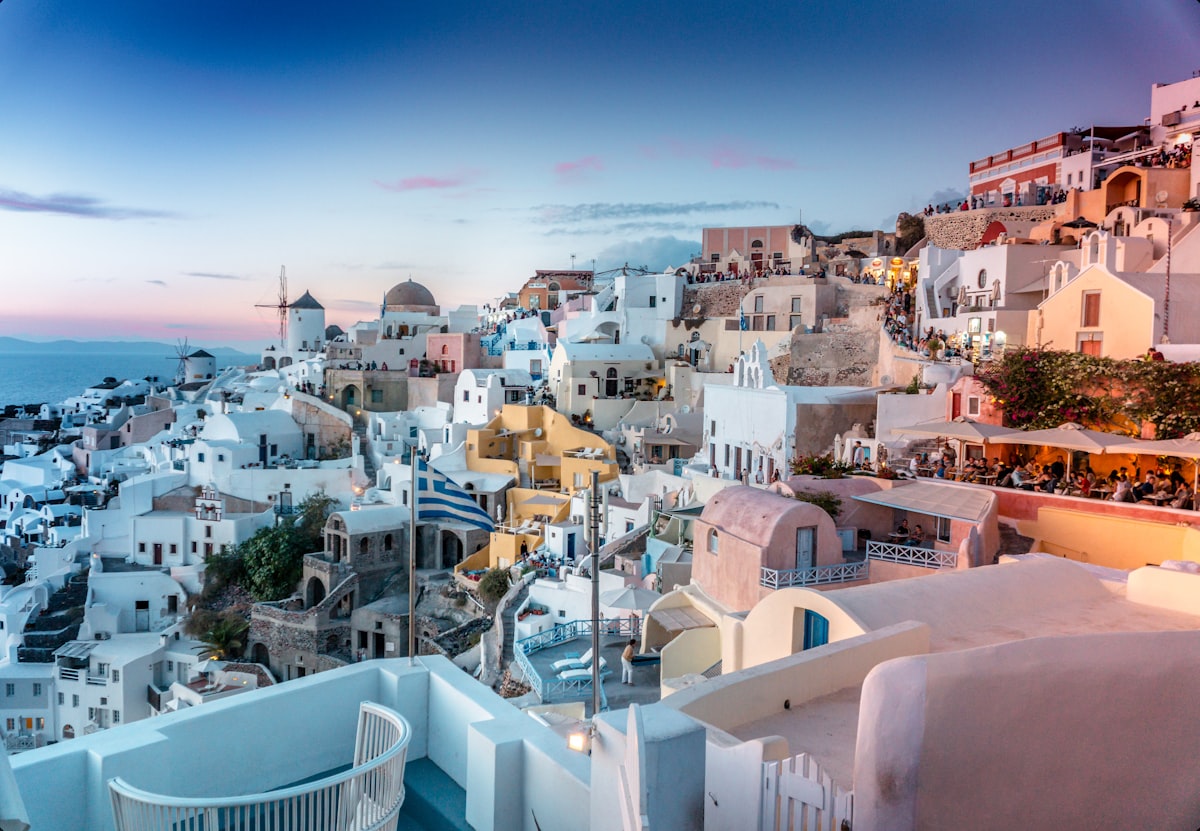
Dinner recommendation: Gariful is Hvar’s most famous seafood restaurant, occupying a prime position right on the harbour with tables practically hanging over the water. The raw fish platters are superb — yellowtail carpaccio, tuna tartare, langoustines — and the wine list is deep in both Croatian and international labels. Reservations are essential in high season. For a more intimate experience, Dalmatino tucked into the old town serves outstanding grilled fish and meat with a focus on Dalmatian tradition rather than modern plating. The konoba-style interior is atmospheric, with stone walls and candlelight. A third option is Lungo Mare on the western Riva, which offers excellent pasta dishes and wood-fired pizza with harbour views and slightly lower prices than Gariful.
Insider note: If you want to avoid the Hvar Town crowds entirely, stay anchored at Palmižana or neighbouring Vinogradišće bay and dine at one of the island restaurants — Laganini Beach Club offers excellent Mediterranean fusion in a relaxed setting right on the water, with daybeds, DJ sets at sunset, and a clientele that skews younger and more international. Alternatively, Meneghello restaurant at Palmižana bay serves superb traditional Croatian dishes in the botanical garden setting. Both options allow you to enjoy Hvar’s atmosphere without the Riva scrum.
Best Time for This Route
The Šibenik Hvar Korčula route is navigable year-round in theory, but in practice the season runs from April through October, with the prime months being May, June, and September. July and August are peak season — the weather is reliably hot and sunny, the sea is warm, and every marina and anchorage is busy — but these are also the months when Hvar Town becomes genuinely crowded and mooring availability tightens considerably. If your schedule allows flexibility, June and September offer the best combination of excellent weather, warm water, and manageable crowds.
May and early June are ideal for those who prefer cooler temperatures and near-empty anchorages. The sea temperature is still around 19–22°C, which is refreshing rather than bath-warm, and the coastal towns have not yet switched into high-season mode. Restaurants are quieter, marina berths are plentiful, and the lavender fields on Hvar are in full bloom. September and early October reverse this pattern: the water retains summer warmth (22–24°C), the crowds disperse after the first week of September, and the light takes on a golden quality that is particularly beautiful for photography. October can be excellent if you time it right, but weather becomes less predictable and some seasonal restaurants begin to close by mid-month.
Wind patterns are moderate along this route. The prevailing summer wind is the maestral — a northwesterly thermal wind that typically builds through the morning, peaks in the early afternoon at 10–15 knots, and dies away by evening. It is a sailor’s wind, predictable and manageable, and on a motor yacht it is barely noticeable except as a pleasant cooling breeze. The bura — a cold northeasterly that can blow hard in winter and spring — is rare in summer but can occur in May and October, bringing clear skies and choppy seas. The jugo (sirocco) is a southeasterly that brings humidity, cloud, and swell; it is more common in autumn and can make exposed anchorages uncomfortable, but most stops on this route are sheltered from the south. Your professional crew will monitor forecasts and adjust the daily itinerary if conditions warrant, but serious weather interruptions are uncommon between June and September.
Practical Information
Getting to Šibenik
Šibenik is centrally located on the Dalmatian coast, roughly halfway between Zadar and Split, and is accessible by car, bus, and air. The nearest international airport is Split (SPU), which is 55 kilometres south — about a 50-minute drive via the A1 motorway. Split Airport is well-connected to European cities from April through October, with both full-service and budget carriers operating direct flights from London, Paris, Frankfurt, Vienna, and many other hubs. A pre-arranged private transfer from Split Airport to D-Marin Mandalina costs around €80–100 and takes under an hour. Alternatively, Zadar Airport (ZAD) is 70 kilometres northwest — a one-hour drive — and is served by Ryanair and other low-cost carriers from April onwards.
If you are driving, Šibenik is accessible via the A1 motorway (Zagreb–Split), with the Šibenik exit clearly marked. The drive from Zagreb takes about four hours; from Split, 45 minutes. For those exploring other routes in the region, consider the Kornati Archipelago from Šibenik or the extended 14-day Šibenik Grand Loop that combines multiple island groups. Public buses connect Šibenik to Split, Zadar, and Zagreb, with frequent daily departures. The bus station is about 1.5 kilometres from D-Marin Mandalina, a ten-minute taxi ride. For the most seamless arrival experience, coordinate with your yacht charter company: most offer meet-and-greet services at Split Airport, with direct transfer to the yacht, and your crew can handle luggage, provisioning, and any last-minute requests while you relax in the car.
Marina & Provisioning
D-Marin Mandalina is one of the premier marina facilities on the Croatian coast, with 429 berths accommodating yachts up to 60 metres. The marina offers full shore services: water, electricity, Wi-Fi, fuel dock, pump-out, laundry, showers, and 24-hour security. On-site amenities include a restaurant, café, chandlery, mini-market, and swimming pool. The marina’s concierge service can arrange car rentals, excursions, and restaurant reservations. The location is excellent — sheltered from all wind directions, with easy access to both the open sea and the Šibenik old town.
Provisioning for a week-long crewed charter is typically handled by your yacht’s crew in advance, based on your preferences and any dietary requirements. If you prefer to oversee provisioning personally, or if you want to add specific items, there are several excellent options near the marina. The Konzum supermarket in Šibenik centre (a 5-minute taxi ride) is well-stocked with Croatian and international brands. For fresh produce, fish, and local products, the Šibenik daily market (pijaca) near the waterfront is open every morning until around 13:00 and offers superb seasonal vegetables, Dalmatian olive oil, local honey, and fresh-caught fish. For wine, seek out specialist wine shops such as Bura or Vino&Fino, both of which stock excellent Croatian labels including the Šibenik-region producers Bibich and Škaulj.
Provisioning on Route
Each major stop on the route offers provisioning opportunities, though the selection and convenience vary. Šolta has limited shopping — a small supermarket in Maslinica and another in Grohote — but these are sufficient for fresh bread, dairy, and basics. Hvar Town has well-stocked supermarkets (Konzum, Tommy) and an excellent daily market on the Riva, where you can buy fresh fish, local cheese, and seasonal produce. Korčula Town also has several supermarkets and a morning market near the bus station. Brač (Bol) offers basic supermarket shopping but is better suited for dining out than for stocking the galley. Most crewed charters carry provisions for the entire week and top up fresh items (bread, fish, fruit) at the daily markets as needed. Your crew will handle all of this unless you specifically request otherwise.
Frequently Asked Questions
Is 7 days enough for this route?
Yes. The itinerary is designed for a 7-day / 6-night charter and covers the essential highlights of central Dalmatia without rushing. Daily passages are moderate (15–35 NM), which leaves ample time for swimming, exploring, and leisurely meals ashore. If you have more time, consider extending to 10 or 14 days to include additional islands such as Vis, Mljet, or a deeper dive into the Kornati Archipelago. But seven days is the sweet spot for this particular arc of islands, and it is the duration we recommend most often to first-time charterers.
Hvar or Korčula — which is better?
They are different, and both are essential. Hvar is glamorous, cosmopolitan, and scenically dramatic, with world-class restaurants, nightlife, and the stunning Pakleni Islands anchorages. Korčula is quieter, more historically atmospheric, with a beautifully preserved medieval old town and a more local, less touristy feel. Hvar attracts a younger, international crowd; Korčula appeals to history lovers and those seeking authenticity. Most people prefer Hvar’s energy and beauty, but many find Korčula more memorable. Do both, and decide for yourself.
Can I do this route on a sailing yacht instead of a motor yacht?
Yes, absolutely. This route is equally suitable for sailing yachts and is in fact one of the most popular crewed sailing itineraries in Croatia. The daily distances are manageable under sail, and the prevailing maestral wind in summer provides excellent sailing conditions. A motor yacht offers more speed, more deck space, and greater comfort in terms of stabilisation and air conditioning, but a sailing yacht delivers the authentic Adriatic experience that many charterers prefer. If you are considering a sailing yacht, ensure it is at least 15 metres with a professional crew, and expect passage times to be longer by 30–50% compared to a motor yacht.
Is this route suitable for families with children?
Highly suitable. The route is beginner-level in terms of navigation and sea conditions, with short daily passages and numerous sheltered anchorages ideal for swimming and snorkelling. The islands are safe, the marinas are modern and well-equipped, and the coastal towns are pedestrian-friendly. Hvar Town can be busy and nightlife-oriented, but the Pakleni Islands anchorages are family-perfect, with shallow, clear water and peaceful surroundings. Korčula and Šolta are particularly family-friendly, with quiet beaches, safe swimming, and relaxed atmospheres. Most crewed yachts in the 20–30 metre range are equipped with water toys (kayaks, paddleboards, snorkelling gear), and professional crew are experienced in catering to families with children of all ages.
Do I need to book restaurants in advance?
In high season (July and August), yes — especially for the top-tier restaurants such as Pelegrini in Šibenik, Gariful in Hvar, and LD Restaurant in Korčula. Your yacht crew can handle all reservations, typically a day or two in advance. In June, September, and October, advance booking is less critical but still recommended for weekend evenings. For casual konobas and smaller restaurants, walk-ins are usually fine except on peak summer weekends. As a general rule: if it is listed in a guidebook or has a Michelin mention, book ahead.
What wines should I try on this route?
Croatia’s wine culture is undergoing a renaissance, and this route passes through some of the country’s finest wine-producing islands. On Šolta, try Dobričić — a deeply coloured, rustic red grape that is unique to the island. On Hvar, look for Plavac Mali reds from the island’s southern slopes, or the white Bogdanjuša which is rare and worth seeking out. In Korčula, the signature varieties are Pošip (a crisp, mineral white) and Grk (another indigenous white from Lumbarda, grown in sandy soil near the sea). Also try Prč, a sweet dessert wine made from dried Plavac Mali grapes. Brač produces excellent whites and rosés from Vugava, a local grape. Ask your crew or restaurant sommelier for guidance, and explore beyond the standard international varieties — Croatian indigenous grapes are the revelation.
Can I extend this route to include Dubrovnik?
Yes, but it requires additional days. From Korčula, Dubrovnik is about 60 nautical miles southeast — a full-day passage on a motor yacht, or potentially an overnight if you include stops at Mljet or the Pelješac Peninsula. A logical extension would be a 10-day itinerary: Šibenik → Šolta → Hvar → Korčula → Mljet → Dubrovnik, then return via Korčula and Brač. Alternatively, consider a one-way charter from Dubrovnik to Hvar or vice versa, which eliminates the return journey. Discuss routing options with your charter company — Splendid Yachting specialises in custom itineraries and can design an extended route to suit your schedule and preferences.
The Insider’s Summary
This is the route that delivers the Croatian Adriatic’s greatest hits in one week, without shortcuts and without compromise. It is designed for travellers who want to see the essential islands — Hvar, Korčula, Brač — but who also want to discover Šolta before it becomes the next Hvar, and who appreciate that the best anchorages are often the ones that do not appear in charter brochures. The daily rhythm is relaxed but purposeful: mornings under way, afternoons at anchor, evenings exploring harbourside towns or dining on your aft deck as the sun sets behind distant islands. The passages are short enough that you never feel rushed, yet long enough that each new island feels like a genuine arrival rather than a mere pit stop.
What makes this itinerary exceptional is its balance. You experience both the glamour of Hvar and the quietude of Šolta; the medieval history of Korčula and the natural beauty of the Blue Lagoon; the tourist-friendly infrastructure of Brač and the undiscovered coves that can only be reached by tender. It is a route that works equally well for first-time visitors and for those who have sailed the Adriatic before and want to revisit favourite places with a few new discoveries added. The circular routing from Šibenik eliminates the logistical friction of one-way charters, and the moderate distances mean that weather delays or itinerary changes are easily accommodated.
If you charter only once in the Croatian islands, this is the route to choose. It will not show you everything — the Kornati Archipelago, Vis and the Blue Cave, the remote beauty of Lastovo are all beyond this route’s reach — but it will show you enough to understand why the Adriatic has become one of the world’s most sought-after yachting destinations, and it will leave you planning your return before you have even disembarked.
Location & Map
The Šibenik to Hvar and Korčula route covers approximately 160 nautical miles in a circular arc through central Dalmatia. Starting from D-Marin Mandalina in Šibenik (43.7350°N, 15.8952°E), the route heads south via Primošten to Šolta’s Maslinica bay, then continues southeast through the Blue Lagoon and Pakleni Islands to Hvar Town. From Hvar, the passage runs south to Korčula (42.9608°N, 17.1347°E), then returns northwest via Brač’s Zlatni Rat beach and Primošten before completing the loop back to Šibenik. All major stops are accessible by VHF radio contact with local marinas; ACI and D-Marin facilities monitor Channel 16 and working channels as posted.
Location & Map
View larger map
