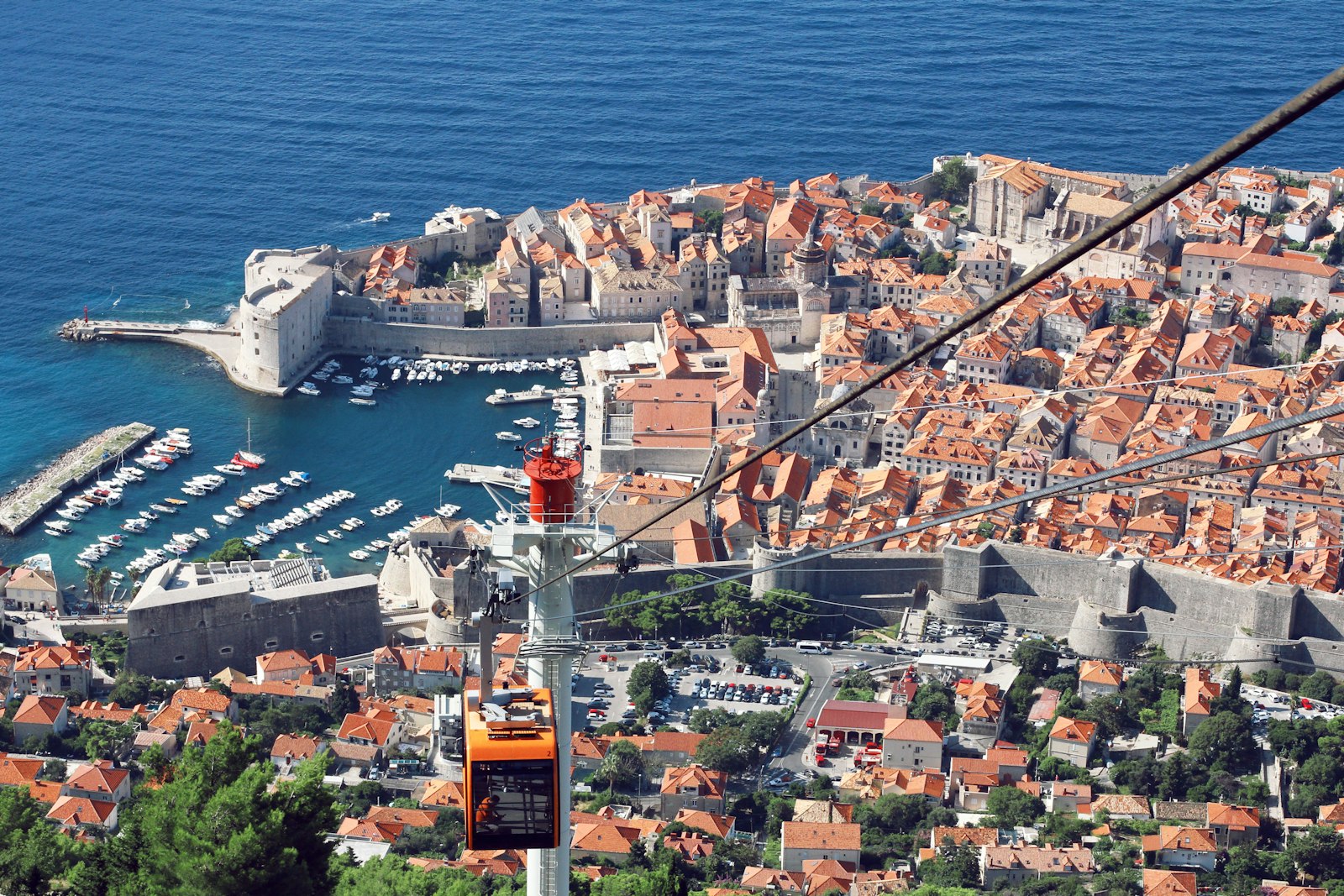
Dubrovnik to Hvar yacht route — three pillars of the Croatian Adriatic connected by a single 7-day motor yacht itinerary. Dubrovnik’s layered history, Pelješac’s red wine heritage, and Hvar’s restless energy deliver satisfying contrasts: stone-walled medieval towns one day, vineyard-covered hillsides the next, and a sundowner in the liveliest harbour on the coast by midweek.
The route forms a loop from ACI Marina Dubrovnik, covering approximately 140 nautical miles at a comfortable pace. On a crewed motor yacht, that translates to short daily passages of 15–25 NM — leaving most of each day for the places themselves.
Route Overview
| Detail | Info |
|---|---|
| Start / End | ACI Marina Dubrovnik |
| Duration | 7 days / 6 nights |
| Total distance | ~140 NM |
| Daily average | 15–25 NM |
| Difficulty | Moderate (one longer return passage on Day 7) |
| Best months | May, June, September, October |
| Highlight | Pelješac wine cellars, Korčula old town, Hvar harbour at dusk |
Why this route works: It combines southern Dalmatia’s most rewarding stops without repeating what most charter guests already know. Instead of the standard Dubrovnik–Elafiti–Mljet loop, this Dubrovnik to Hvar yacht route pushes north through Pelješac — Croatia’s premier wine peninsula — before reaching Korčula and Hvar. It rewards guests who have already seen Dubrovnik and want the next layer of the coast.
Day-by-Day Itinerary
Day 1: Dubrovnik → Ston (Pelješac) — 28 NM
Leave ACI Marina Dubrovnik in the morning and cruise northwest along the coast. The Elafiti Islands drift past to port — Koločep, Lopud, Šipan — but today you are headed beyond them, to the mouth of the Pelješac peninsula.
Ston is one of Croatia’s most underrated stops. The town sits at the narrow isthmus connecting Pelješac to the mainland, guarded by 5.5 kilometres of medieval walls — the longest fortified structure in Europe outside the Great Wall. Walk the walls in the late afternoon when the light turns golden and the tour buses have left.
Dinner: Ston is famous for its oysters and mussels, farmed in the Mali Ston Bay since Roman times. Ask your chef to source them fresh from a local farmer that morning — served raw with lemon on the aft deck as the sun sets behind the walls. Or dine at Bota Šare in Mali Ston, one of Croatia’s finest seafood restaurants, where the tasting menu pairs local shellfish with Pelješac wines.
Anchor / berth: Mali Ston harbour or anchor in the bay.
Day 2: Ston → Trstenik (Pelješac) — 15 NM
A short morning cruise along Pelješac’s southern coast. This is Croatia’s most important red wine region, and today is built around it.
Trstenik is a quiet village with a small harbour, positioned perfectly between the two legendary wine zones: Dingač and Postup. Both produce intense, full-bodied reds from the Plavac Mali grape — vines that cling to impossibly steep south-facing slopes above the sea.
Wine programme: Your crew can arrange a visit to one of the family cellars in Potomje or Trstenik itself. Matuško, Miloš, and Saints Hills are the names to know. Tastings here are unhurried and personal — a winemaker in a stone cellar, five or six wines, and the kind of conversation about terroir and tradition that you do not get in a commercial tasting room.
Afternoon: Swim from the yacht in one of Pelješac’s south-facing coves. The water here is among the clearest on the Adriatic — fewer boats, fewer people, and a steeply shelving seabed that turns from turquoise to deep blue within metres.
For guests drawn to Croatia’s food and wine culture, Pelješac is the essential stop. Read more in our guide to Croatia’s best wine regions explored by yacht.
Anchor: Trstenik village harbour or Žuljana bay (sheltered, scenic).
Day 3: Trstenik → Korčula Town — 20 NM
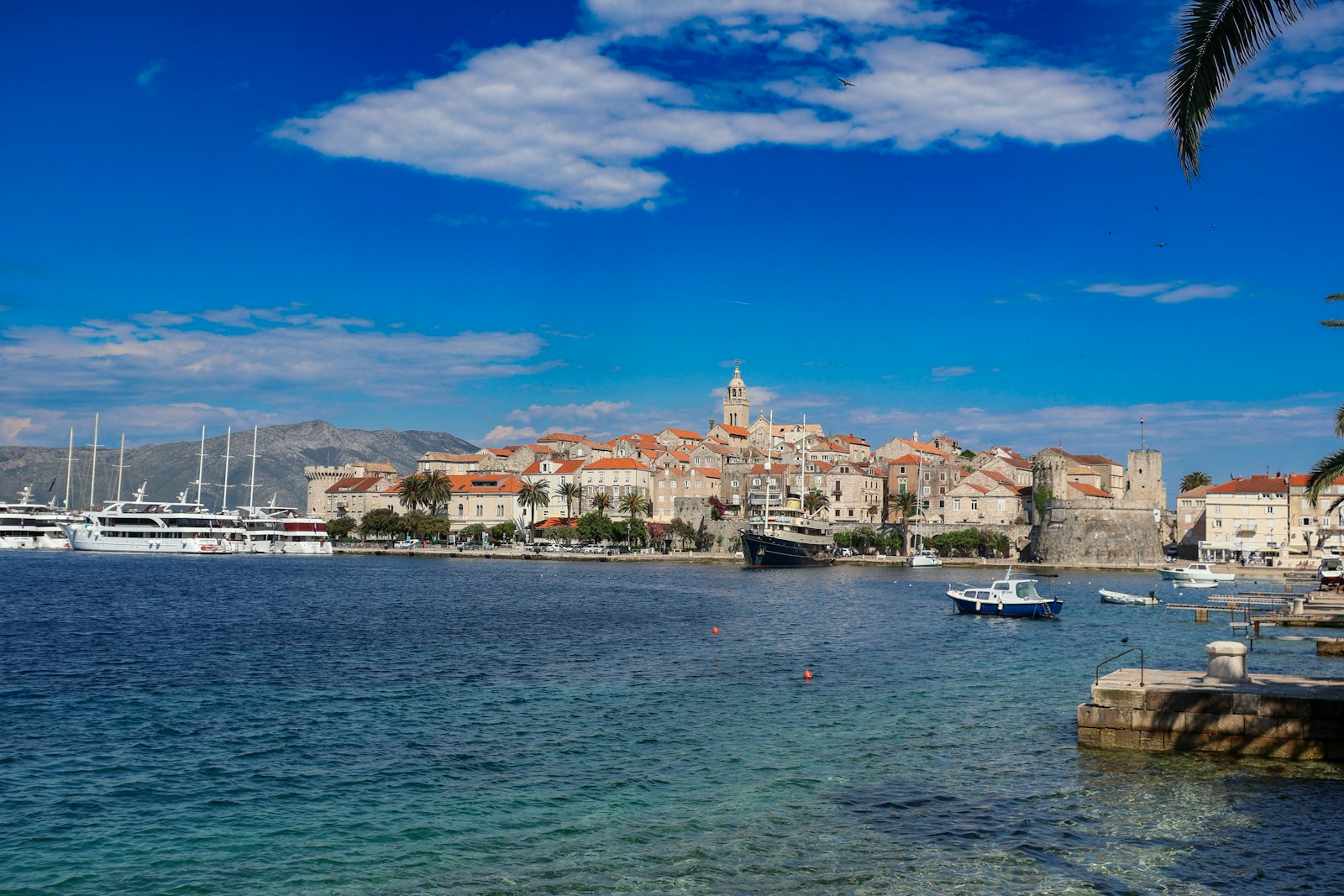
Cross the Pelješac Channel to Korčula, the island locals call “Little Dubrovnik” — and for good reason. Korčula Town is a compact medieval walled town on a small peninsula, with narrow herringbone streets designed to channel cooling breezes and block the Bora.
Morning arrival gives you the whole day. Walk the old town walls. Visit the house that claims to be Marco Polo’s birthplace (the evidence is debated, the setting is irresistible). Explore the cathedral of St. Mark with its Tintoretto altarpiece.
Afternoon: Korčula produces exceptional white wines — Grk and Pošip — that most visitors to Croatia never encounter. Your chef knows the local producers. A bottle of Grk from the Lumbarda vineyards, chilled and served with fresh Adriatic prawns on the swim platform, is one of those moments that defines a charter.
Evening: Dine at LD Restaurant on the waterfront, one of the Adriatic’s most refined kitchens, or let your chef prepare a Dalmatian feast on board while you watch the lights come on across the old town.
Berth: Korčula Town harbour (stern-to on the western quay) or anchor in the bay east of town.
Day 4: Korčula → Šćedro Island — 18 NM
Today is the quiet day. After three stops rich in culture, history, and wine, the itinerary shifts to pure Adriatic solitude.
Šćedro is an uninhabited island between Korčula and Hvar — a nature reserve with two deep, sheltered bays and almost no visitors. Your captain knows the anchorage in Lovišće bay: surrounded by pine forest, protected from all winds, and entirely yours.
The day: Swim off the swim platform. Take the tender to explore the ruins of a 16th-century Dominican monastery hidden in the pines. Snorkel along the rocky shore. Read. Sleep. Let the chef prepare a long, slow lunch on the aft deck — grilled fish, tomato salad, olive oil from Korčula, a cold Pošip.
This is the day that guests remember most vividly six months later. Not the monuments, not the wine cellars, not the restaurants — the silence of an empty bay, the sound of cicadas, and the absence of any agenda whatsoever.
Anchor: Lovišće bay, Šćedro (well-protected, sandy bottom, excellent holding).
Day 5: Šćedro → Hvar Town — 15 NM
A short morning passage north to Hvar, the island that defines Croatian glamour. The approach from the south is spectacular — the yacht threads between the Pakleni Islands before the famous harbour opens up ahead, the fortress above, the marble piazza below.
Hvar Town is energy and history in equal measure. The main square — Trg Svetog Stjepana — is the largest piazza in Dalmatia, anchored by a 16th-century cathedral and surrounded by cafés that fill with a well-dressed international crowd by sunset. Above it all, the Fortica fortress offers panoramic views across the Pakleni archipelago.
Afternoon: Walk the backstreets behind the piazza — stone staircases, hidden courtyards, lavender spilling from balconies. Or take the tender to the Pakleni Islands for a swim at Palmižana before returning to Hvar for the evening.
Evening: Hvar’s restaurant scene has matured in recent years. Giaxa in the old town and Divino on the harbour are worth your attention. Or, if the captain has secured a prime berth on the Riva, dine on board and watch the parade of arriving yachts from the flybridge — cold glass in hand, nowhere to be.
If you want the complete picture of what Hvar offers beyond the harbour scene, see our Hvar yacht guide.
Berth: Hvar Town harbour (limited, book ahead in season) or anchor in the Pakleni Islands (Palmižana / Vinogradišće).
Day 6: Hvar → Palmižana (Pakleni Islands) — 3 NM
The shortest hop of the week — and one of the most rewarding. The Pakleni Islands are a chain of pine-covered islets directly opposite Hvar Town, offering a complete contrast: where Hvar is social, the Paklenies are secluded.
Palmižana (Sveti Klement) is the jewel. A natural harbour surrounded by Aleppo pines, with several waterfront restaurants accessible only by boat. The legendary Meneghello restaurant and its botanical garden have been welcoming yachting guests for decades — the walk through the pine forest from the jetty to the restaurant terrace is part of the ritual.
The day: Anchor in Vinogradišće bay. Swim, paddleboard, explore by tender. The water in the Pakleni archipelago is among the cleanest in the Mediterranean — visibility regularly exceeds 30 metres. Your crew sets up water toys on the swim platform while you explore, and prepares the yacht for your final evening on board.
Final dinner: This is typically the night the chef pulls out something special. A seven-course tasting menu on the aft deck, paired with the wines you collected in Pelješac. The Pakleni anchorage at sunset — pine trees framing the view, Hvar’s fortress lit up across the channel — is the image that sells itself.
Anchor: Palmižana / Vinogradišće bay (Pakleni Islands).

Day 7: Palmižana → Dubrovnik — 45 NM
The longest passage of the week — and the reason a motor yacht makes this itinerary work. At 20 knots, the return to Dubrovnik takes approximately 2.5 hours. A sailing yacht would need the better part of a day, turning the final morning into a transit rather than an experience.
Departure: Leave Palmižana after a leisurely breakfast. The route south passes Korčula (wave to it from the flybridge), crosses the open water off Pelješac, and re-enters the channel past the Elafiti Islands.
Arrival: Back at ACI Marina Dubrovnik by early afternoon. Time for a final swim off the yacht, a walk along Dubrovnik’s city walls in the golden hour, or a quiet hour on the flybridge reflecting on a week that covered more ground — and more moods — than seemed possible in seven days.
Total passage today: ~45 NM, approximately 2–2.5 hours at cruising speed.
Practical Notes
Best Time to Cruise This Route
May and early June offer warm days, uncrowded anchorages, and Pelješac wine cellars at their most welcoming. September and October add the grape harvest — some cellars let you participate — plus the warmest sea temperatures of the year and near-empty bays. July and August work but Hvar Town is at peak capacity and harbourside berths require advance booking.
For a detailed month-by-month breakdown, see our guide to the best time for a yacht charter in Croatia.
Why This Dubrovnik to Hvar Yacht Route Suits a Motor Yacht
The Day 7 return passage (45 NM) is the decisive factor. On a motor yacht, it is a comfortable 2.5-hour cruise. On a sailing yacht, it consumes the entire final day and requires favourable wind — which is not guaranteed.
The motor yacht’s speed advantage also means each daily passage is short enough to allow genuine time ashore: wine tastings in Pelješac, long dinners in Korčula, lazy mornings in the Pakleni Islands. The yacht serves the itinerary, not the other way around. If you are still deciding between yacht types, our crewed vs bareboat charter Croatia guide compares every factor.
Who This Route Is For
Couples and small groups who want a cultural and gastronomic week, not a beach-hopping itinerary. Guests who appreciate wine, history, and architecture — but also want days of pure relaxation. If this is your first charter, this route is manageable and varied without being rushed. If you have cruised Croatia before, it takes you beyond the standard Split circuit into territory most visitors miss entirely.
Frequently Asked Questions
Can this route be done as a one-way charter?
Yes — starting in Dubrovnik and ending in Split (or vice versa) turns the loop into a linear route, eliminating the long Day 7 return. This adds Split to the itinerary and opens up the classic Dubrovnik to Split route. Discuss one-way options with your charter provider.
Is this route suitable for families with children?
The route works for families, though it leans toward adult interests (wine, history, fine dining). For a family-focused itinerary with calmer bays and more beach time, consider the family-friendly route from Split. That said, Šćedro (Day 4) and Palmižana (Day 6) are excellent for children — calm water, swimming from the yacht, and unhurried days.
What about the Pelješac wines — are they genuinely worth a day?
Pelješac produces some of the finest red wines in the eastern Adriatic. Dingač — Croatia’s first protected wine region — grows Plavac Mali on south-facing cliffs above the sea, reaching alcohol levels of 14–16% with concentrated dark fruit character. These wines are difficult to find outside Croatia, and tasting them in the cellar where they were made, with the vineyard visible through the door, is an experience that has no equivalent in a shop.
How rough is the crossing on Day 7?
The Hvar Channel and the open water between Hvar and the Pelješac peninsula can build a moderate sea in a northwesterly (Maestral). Your captain will time the departure to minimise discomfort — typically an early morning passage before the afternoon wind builds. On a motor yacht with a displacement hull, the motion is steady and predictable. Most guests find it a pleasant final cruise.
Book This Route
This 7-day Dubrovnik to Hvar yacht route is one of Splendid Yachting’s signature southern Dalmatia itineraries. Every detail — the wine cellar bookings, the restaurant reservations, the anchorage choices — is handled by your crew, tailored to your preferences, and adjusted daily based on weather and your mood.
Splendid Yachting operates crewed motor yachts along the full Croatian coast. Whether you choose this route or build something entirely custom, the crew and the yacht adapt to you — not the other way around.